
The short answer
HUD $100 down is an FHA incentive on certain HUD-owned homes. An owner-occupant buyer who uses an FHA loan can put $100 down instead of the usual FHA minimum. It only applies when the listing shows the incentive. The buyer still has to qualify for the loan and still pays closing costs.
Below: the seven steps, a cash-to-close checklist, the financing-code rules and the questions buyers ask most.
Step by step: how HUD $100 down works
- Check the listing. Look for the $100 down or FHA incentive flag on HUDHomeStore.gov. No flag, no incentive.
- Check the code. It works on insured homes (IN, and IE with a repair escrow). It doesn't work with standard FHA on a UI home. See HUD financing codes.
- Confirm the buyer. Owner-occupant only. They must plan to live in the home and sign HUD's certification. See the owner-occupant 12-month rule.
- Qualify the buyer first. Credit, income, debts, savings. A lender still underwrites the full FHA loan. See how to qualify a buyer before the lender.
- Tell the lender it's a $100 down HUD purchase. Not every loan officer does these often. Pick one who does, and get a pre-approval that says FHA.
- Plan closing costs. Decide whether to ask HUD for closing cost help in the bid. Asking lowers your net, so it's a trade-off. See how to write an offer on a HUD home.
- Layer state help. Check your state housing finance agency for closing cost programs. In Colorado, that's CHFA. Your lender confirms what can be combined.
A worked example (illustration only)
A $300,000 HUD home, code IN, $100 down flag on, owner-occupant buyer.
| Standard FHA | With $100 down incentive | |
|---|---|---|
| Purchase price | $300,000 | $300,000 |
| Down payment | $10,500 (assumes 3.5%) | $100 |
| Base loan amount | $289,500 | $299,900 |
The $100 down buyer borrows about $10,400 more. That raises the monthly payment some. It also means the buyer may be able to buy now instead of saving for two more years.
Illustration only. A lender sets the real terms. This example shows the down payment only. FHA loans carry upfront and annual mortgage insurance premiums, plus taxes, homeowners insurance and closing costs. The annual percentage rate (APR) would differ from any note rate. This is not an offer of credit. Program rules change. Check current FHA rules in HUD Handbook 4000.1 and on the listing at HUDHomeStore.gov.
What the buyer still pays: a cash checklist
"$100 down" isn't "$100 total." Walk every buyer through this list before they fall in love with a house.
| Cost | When it's due | Can help cover it? |
|---|---|---|
| Down payment | Closing | That's the $100 |
| Earnest money | Within about two business days of acceptance | Credited at closing; set by the listing |
| Inspection | Before the bid | No. Buyer pays |
| Appraisal and credit report | During the loan | Sometimes rolled into closing costs; ask the lender |
| Closing costs and prepaids | Closing | HUD help if asked in the bid, state programs, lender credits |
| Utilities turn-on for inspection | Before the bid | Usually the buyer, per the listing |
Who qualifies for HUD $100 down?
Owner-occupant buyers who qualify for an FHA loan, on HUD homes that carry the incentive. It's tied to living in the home, not to being a first-time buyer. Investors can't use it. Buyers still need acceptable credit, income and debt ratios under FHA rules, and the lender makes that call. Check current eligibility on the listing and with an FHA lender.
Is HUD $100 down the same as Good Neighbor Next Door?
No. They're separate. HUD $100 down is an FHA financing incentive on flagged HUD homes for any qualified owner-occupant. Good Neighbor Next Door is a 50% discount for eligible teachers, officers, firefighters and EMTs in revitalization areas. GNND buyers using FHA may have their own low down payment option. Your lender confirms.
How to explain it to your client
"This house is part of a HUD program where, if you're going to live in it, your down payment can be $100 instead of the normal FHA minimum. The rest of that down payment goes into your loan. You'll still have closing costs, an inspection and earnest money, but we can ask HUD to help with some of the closing costs, and there may be state programs too. Your lender will show you the exact numbers."
Watch-outs
- Not every HUD home has it. Read the listing every time.
- Bigger loan, bigger payment. The buyer is borrowing the down payment. Make sure they understand.
- Closing costs are still real. Don't let a buyer hear "$100" and think that's the whole check.
- Owner-occupant only. Federal certification. Investors can't use it.
- Appraisal and repairs. On an IE home, the repair escrow gets added to the loan. On a UI home, standard FHA won't close.
- Don't quote payments yourself. Get the lender's worksheet.
Keep going
- All HUD, VA and FHA pages: HUD, VA and FHA training
- Next: how to write an offer on a HUD home, HUD financing codes, down payment assistance basics, FHA vs conventional in plain English
- Free for your buyers: the HUD Homes $100-Down Guide explains how the program works for owner-occupants, step by step.
Extra detail
- Who qualifies, spelled out as four gates. The home must carry HUD's incentive flag; it must be FHA-insurable (IN or IE); the buyer must be an owner-occupant; the loan must be FHA. Cash, conventional and VA buyers don't use it (VA buyers have VA's own down payment rules).
- The incentive comes and goes. HUD turns it on and off by region and by listing, often when inventory is slow. Tell buyers to plan around a real pre-approval and treat the flag as a bonus.
- Owner-occupant certification. The $100 down buyer signs HUD's owner-occupant certification: live there at least 12 months as the primary home, no owner-occupant HUD purchase in the past 24 months, and no investor behind the deal. A false certification is a federal offense. See the owner-occupant certification.
- What the buyer still pays, as a checklist. Closing costs and prepaids, the fixed HUD earnest money deposit, FHA upfront and monthly mortgage insurance. HUD closing cost help can't pay the down payment.
- Stacking. $100 down stacks with Good Neighbor Next Door (half price plus $100 down with FHA) and with HUD closing cost help; state DPA (CHFA in Colorado) is the fallback when the flag isn't on.
This is training for real estate agents. It isn't legal, tax or lending advice. A licensed loan officer sets loan terms. Check with your managing broker.

Questions
Is the HUD $100 down program real?
Yes. It's an FHA incentive on certain HUD-owned homes. The listing on HUDHomeStore.gov shows whether a home carries it.
Can I use HUD $100 down on any house?
No. Only on HUD-owned homes that show the incentive, with a financing code that allows FHA.
Does $100 down mean I only need $100 to buy?
No. The buyer still pays earnest money, the inspection and closing costs, unless help covers part of them.
Do I still need to qualify for an FHA loan?
Yes. A lender underwrites the full loan under FHA rules. Get a real pre-approval before the bid.
Is it only for first-time buyers?
It's tied to owner-occupancy, not first-time status. Confirm current rules on the listing and with the lender.
Can investors use HUD $100 down?
No. Owner-occupants only.
Can I combine it with closing cost help?
You can ask HUD for closing cost help in the bid, and some state programs may layer on. It lowers your net to HUD, so weigh it against the competition.
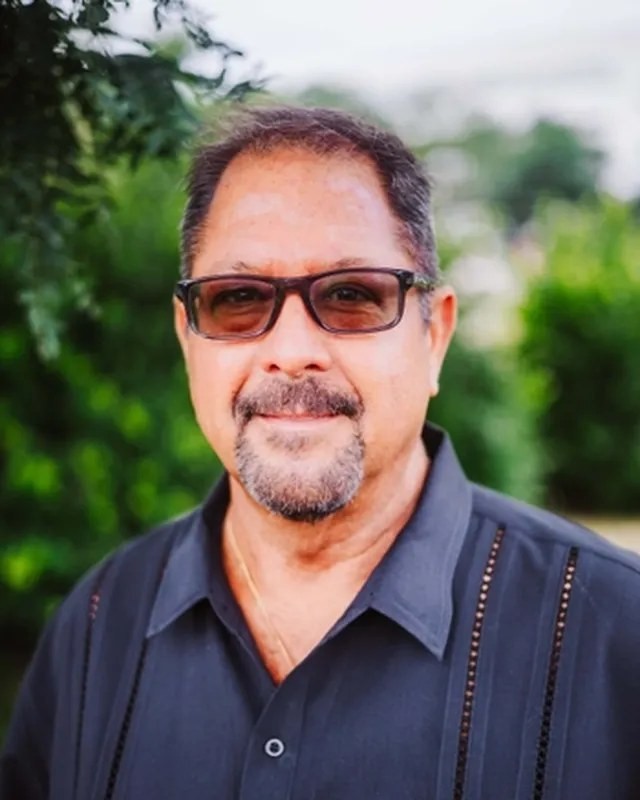
Brian Lee Burke is the founder of PadLeaders, a Colorado real estate broker licensed since 2003, team leader of The Kenna Group at Keller Williams DTC (formerly Kenna Real Estate Group) and the author of Mastering Real Estate and The Real Estate Playbook. More about Brian.